

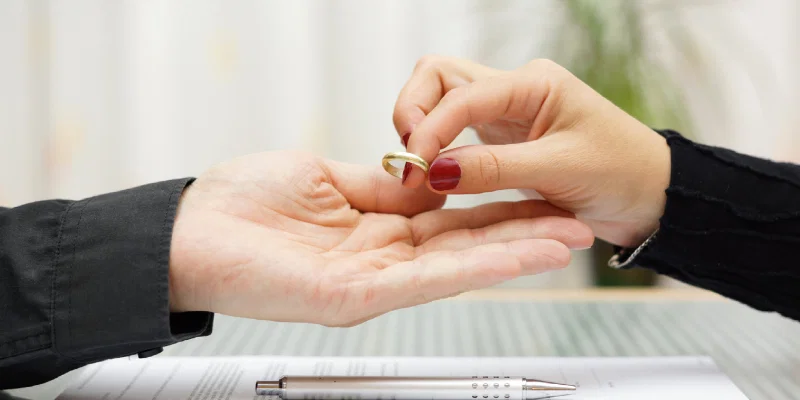
The legal dissolution of a marriage brings an official end to a shared chapter, but it also marks the commencement of a far more profound journey. For months or even years, the primary focus has been on navigating courtrooms, dividing assets, managing custody disputes, and surviving the intense emotional turbulence of a broken relationship. Once the final decree is entered and the dust settles, a sudden quiet descends. In that stillness, many individuals experience a startling realization. Beyond the titles of spouse, partner, or litigant, they must figure out who they actually are on their own. Rebuilding your identity and life after divorce is not simply about moving on; it is an active, deliberate process of self-rediscovery, healing, and personal reinvention.
Acknowledging the Grief of the Old Life
Before a new identity can take root, it is necessary to mourn the life that has ended. Society often treats divorce as an event rather than a bereavement, but the loss of a marriage involves a very real grieving process. Even if the relationship was toxic, high-conflict, or mutually unhappy, the dissolution still represents the death of shared dreams, familiar routines, and a future you once anticipated.
Suppressing these feelings or rushing into a state of forced positivity will only delay the healing process. Emotional resilience is built by leaning into the discomfort of grief, anger, and betrayal. Allow yourself to feel the full spectrum of emotions without judgment. Acknowledge that sadness and relief can coexist simultaneously. Recognizing that this grief is a normal, healthy response to a major life disruption is the first foundational step toward emotional liberation.
Untangling Individual Identity From Shared History
In long-term marriages, identities frequently merge. Couples develop shared social circles, unified financial goals, common hobbies, and collective identities within their families and communities. When the partnership dissolves, unraveling yourself from that shared history can feel like attempting to separate blended colors back into distinct paints.
To rebuild your individual identity, you must conduct a personal inventory. This involves examining your preferences, values, and ambitions independently of your ex-spouse:
-
Rediscovering Personal Tastes: What music, art, food, or literature did you enjoy before the relationship that may have fallen by the wayside?
-
Reevaluating Core Values: What principles matter most to you now that your life circumstances have fundamentally shifted?
-
Setting Independent Goals: What personal, professional, or educational aspirations did you put on hold to accommodate a shared household?
By consciously separating your personal history from your present reality, you begin to reclaim ownership of your narrative. You are no longer half of a broken equation; you are a complete individual capable of directing your own path.
Cultivating a New Daily Routine and Environment
Divorce often destroys familiar daily rhythms. Waking up in a home that feels different, cooking for one, or managing a household on a single income creates a jarring sense of dislocation. Reclaiming control over your physical environment and daily schedule is a powerful way to anchor yourself during this transition.
Start by reshaping your living space to reflect your current tastes and autonomy. If staying in the marital home is financially or emotionally unfeasible, moving to a new residence provides a physical clean slate. Establish a predictable daily routine that prioritizes self-care, physical health, and professional focus. Whether it is committing to a morning exercise habit, setting aside time for reading, or creating a comforting evening ritual, structure brings predictability back into a life that has felt chaotic and uncontrollable.
Redefining Social Connections and Support Networks
During a divorce, social circles frequently undergo a dramatic shift. Friends may feel awkward and choose sides, or joint couples friends may drift away as social dynamics change. This culling of your social network, while painful, opens up space for more authentic, supportive connections.
Rebuilding your life requires actively investing in relationships that nourish your personal growth. Seek out new communities that align with your independent interests, such as joining local clubs, taking up a new sport, enrolling in an educational workshop, or participating in professional networking groups. Additionally, consider joining a divorce support group where you can share experiences with others who truly understand the complexities of rebuilding a life from the ground up. Surrounding yourself with individuals who validate your journey and encourage your autonomy accelerates the transition from surviving to thriving.
Rediscovering Passion and Purpose
When a marriage consumes your time and energy, personal hobbies and passions are often neglected. Free time after a divorce can feel overwhelming, but it also represents an unprecedented opportunity for exploration. This is the ideal window to try things you never had the time, permission, or confidence to pursue previously.
Whether it is learning a foreign language, picking up a creative instrument, traveling solo, or shifting career directions, leaning into curiosity helps reconstruct your self-worth. Accomplishing new goals outside the shadow of a past relationship proves to yourself that you are adaptable, capable, and resilient. Each new skill acquired or goal achieved reinforces the foundation of your independent identity.
Embracing Solitude Versus Loneliness
One of the greatest fears people face after divorce is being alone. There is a distinct cultural pressure to quickly find a new partner to validate one’s worth or fill the silence in the home. However, rushing into a new relationship before you have healed often leads to repeating past patterns and choosing incompatible partners.
It is vital to distinguish between loneliness and solitude. Loneliness is a painful feeling of emptiness and isolation, whereas solitude is a peaceful state of self-awareness and contentment in your own company. Learning to enjoy your own company, sit in silence without distraction, and validate your own emotional needs is a transformative milestone. When you reach a point where you do not need a partner to feel complete, you approach future relationships from a place of strength rather than a place of deficit.
Frequently Asked Questions
How long does it typically take to feel like yourself again after a divorce?
There is no universal timeline for emotional recovery after a divorce. For some individuals, a sense of equilibrium returns within a few months, while for others, the process takes several years. The duration depends heavily on factors such as the length of the marriage, whether children are involved, the level of conflict during the legal proceedings, and your personal support system. Healing is not linear, and experiencing occasional waves of grief months or even years later is entirely normal.
Is it normal to experience a crisis of confidence regarding my professional or social skills?
Yes, experiencing a dip in self-confidence is extremely common after a divorce, especially if the relationship involved criticism, emotional manipulation, or financial dependence. Rebuilding your confidence takes deliberate practice. Start by setting small, achievable goals in your career or social life. Each time you succeed independently, whether it is handling a household repair on your own or delivering a successful project at work, your self-efficacy and confidence will gradually rebuild.
How do I handle mutual friends who choose to remain neutral or distance themselves?
Navigating shared social circles after a divorce can be emotionally painful. It is common for mutual friends to feel caught in the middle and retreat from both parties to avoid awkwardness. Try not to take their distance personally. Focus your energy on friends who actively reach out and support your individual well-being. Over time, you will naturally build a new, independent circle of friends who know you exclusively as your current, autonomous self.
When is the right time to start dating again after a divorce?
There is no set waiting period, but the right time is generally when you are seeking a partner out of a genuine desire to share your life, rather than out of a fear of being alone, a desire for validation, or a need to exact revenge on an ex-spouse. If you are still harboring intense anger, obsessing over your ex, or comparing every new person to your former spouse, you are likely not yet emotionally available for a healthy new relationship.
How can I manage the financial anxiety of starting over on a single income?
Financial restructuring is one of the most intimidating aspects of post-divorce life. Start by creating a realistic, independent budget based strictly on your current individual income. Eliminate non-essential expenses temporarily while you stabilize your financial foundation. Consider consulting a financial planner who specializes in post-divorce transitions to help you map out long-term savings, investment strategies, and debt management plans to regain a sense of financial control.
What should I do if my ex-spouse tries to interfere with my personal growth or lifestyle changes?
If your ex-spouse attempts to undermine your new life, criticize your choices, or constantly test your boundaries, the best response is strict detachment. If you share children, limit all communication strictly to necessary co-parenting logistics using written channels. Do not share personal details about your dating life, finances, or new hobbies with them. Establishing firm, unyielding boundaries protects your peace of mind and allows your new identity to flourish free from outside interference.
How can therapy assist in the process of rebuilding an identity after divorce?
A licensed therapist provides an objective, safe space to process the trauma of a broken relationship and untangle unhealthy psychological patterns. Therapy helps you identify codependent behaviors, work through lingering resentment, and develop healthy coping mechanisms for stress. A professional can guide you through the process of self-reflection, helping you set realistic personal goals and rediscover your core identity with clarity and confidence.